Remodeling in Seattle – What Homeowners Should Know
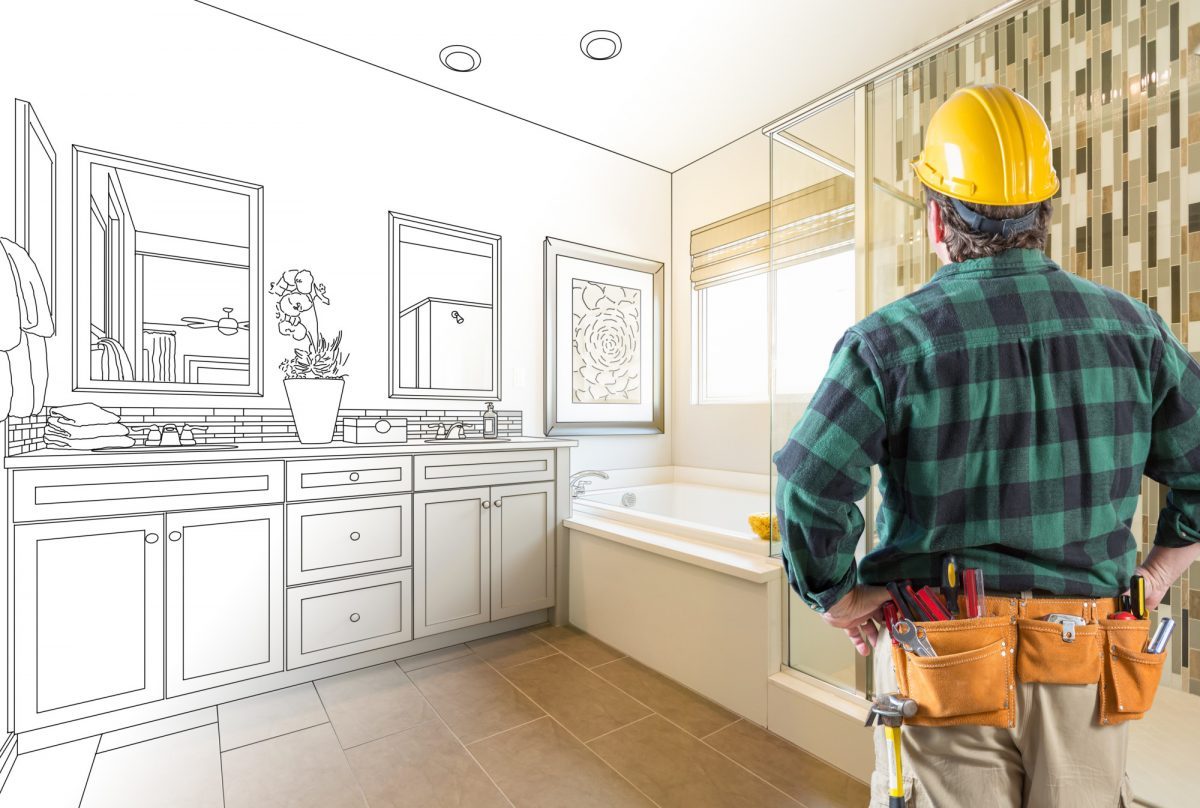
Seattle’s housing market is full of character—historic Craftsman homes, mid-century gems, and newly built modern properties all sit side by side. For homeowners, remodeling can be one of the smartest ways to improve both comfort and property value without entering the city’s competitive real estate market. But remodeling in Seattle comes with its own considerations, from stricter permitting to the unique challenges of older homes.
Popular Remodeling Projects in Seattle
Seattle homeowners are drawn to projects that improve functionality while reflecting the city’s modern yet practical style.
-
Kitchen Remodels: Many older kitchens lack storage and flow. Open layouts with large islands, energy-efficient appliances, and custom cabinetry remain highly desirable.
-
Basement Conversions: Seattle homes often have underused basements that can be turned into rental units, guest suites, or home offices.
-
Bathroom Upgrades: Walk-in showers, heated flooring, and efficient fixtures are common features in bathroom remodels.
-
Additions and ADUs: With housing demand so high, many homeowners expand their footprint with additions or accessory dwelling units.
Unique Challenges in Seattle Remodeling
Seattle’s rainy climate and older housing stock create a few extra steps for remodels. Proper waterproofing, ventilation, and insulation are crucial for long-lasting results. Many homes also require structural updates before walls can be removed or new layouts created.
Permitting can be more complex in Seattle than in surrounding cities. Projects like ADUs, second-story additions, and basement conversions often need specific approvals. Always review the latest requirements on the Seattle Department of Construction & Inspections website to avoid delays.
Neighborhood Considerations
Each Seattle neighborhood has its own character and remodeling patterns:
-
Ballard & Greenwood: Many homes are older, making basement finishing and second-story additions popular.
-
Capitol Hill & Central District: Remodels often blend modern updates with preserved historic details.
-
West Seattle: Larger lots mean additions and indoor-outdoor upgrades are common.
-
Queen Anne: Maximizing views with open layouts and larger windows is a frequent goal.
Knowing the neighborhood trends helps ensure your remodel adds value while staying consistent with the area.
Budgeting and Timelines
Remodeling costs vary widely based on scope and materials. On average:
-
Kitchen remodels: $50,000–$120,000
-
Bathroom remodels: $20,000–$50,000
-
Basement finishing: $80,000–$150,000
Many large remodels take three to six months to complete. This includes design, permitting, and construction. Working with a contractor who manages every step can help avoid unnecessary delays.
Mistakes to Avoid
-
Skipping permit research: Seattle’s strict regulations mean unpermitted work can lead to fines or expensive corrections.
-
Underestimating costs: Materials and labor in Seattle tend to run higher than in many cities. Always include a 10–20% contingency in your budget.
-
Hiring separate designers and contractors: Using a single team for design and construction often prevents miscommunication and delays.
Financing Options
Many homeowners use a mix of savings, home equity loans, or renovation loans to fund their projects. Seattle lenders often provide specific renovation loan programs that roll construction costs into the mortgage, which can be helpful for large remodels or when purchasing a fixer-upper. Comparing loan types and interest rates early can prevent delays once you’re ready to start construction.
DIY vs. Hiring a Pro
While small updates like painting or hardware changes can be done yourself, major remodels usually require professionals to meet code requirements and avoid costly mistakes. Structural changes, electrical work, and plumbing in particular should be handled by licensed experts to ensure safety and compliance with Seattle’s strict building regulations.
Planning Tips Before You Start
Before hiring a contractor or finalizing your design, take time to:
-
Research your neighborhood’s typical home values to understand which projects add the most resale value.
-
Collect inspiration photos for layouts, finishes, and storage solutions that fit your lifestyle.
-
Talk to your city’s permitting office early to learn about lead times and requirements.
-
Get estimates from multiple contractors to compare pricing, timelines, and services.
ROI and Resale Value
Well-planned remodels can significantly increase a home’s resale value. In Seattle, kitchen remodels often return 60–75% of their cost at resale, while bathroom remodels typically return around 55–65%. Basement finishing and home additions not only add living space but can also increase rental potential, especially in neighborhoods where accessory dwelling units are popular. Prioritizing upgrades that improve functionality, energy efficiency, and overall appeal gives you the best return on investment.
Finding the Right Remodeling Partner
Seattle homeowners often look for contractors who can manage everything from structural changes to finishing details. One local option is Pro Complete Construction, a company with experience in kitchens, bathrooms, basements, and additions throughout Seattle and South King County. Their approach emphasizes clear communication and full-service project management—valuable when navigating the city’s unique remodeling requirements.
Frequently Asked Questions
Do I need a permit for most remodels in Seattle?
Yes. Any project involving structural changes, plumbing, or electrical work usually requires a permit. Always check the latest guidelines through the Seattle Department of Construction & Inspections.
How long does a typical remodel take?
Timelines vary. A bathroom remodel might take 4–8 weeks, while a major kitchen remodel or basement conversion could take several months, including design and permitting.
Additional Resources
-
Seattle Department of Construction & Inspections – Permits and zoning information.
-
Puget Sound Energy Rebates – Incentives for energy-efficient upgrades.
-
Houzz – Design inspiration and remodeling ideas.
Conclusion
A remodel can feel overwhelming, but with the right planning, budget, and team, it becomes an exciting investment in your home’s future. Seattle’s housing market rewards well-executed renovations, especially in neighborhoods where space is limited and property values are high. By understanding the city’s permitting process, budgeting realistically, and hiring experienced professionals, you can create a home that better fits your lifestyle while increasing long-term value.For more general tips on planning a remodel in the Pacific Northwest, visit our homepage guide.